Historically, moving walkways operated continuously, drawing enormous amounts of peak power regardless of passenger load. In high-density environments like airports, hundreds of these systems running empty throughout the night represented a massive, unnecessary energy expenditure. Today, mechanical engineering and software integration have fundamentally altered the power consumption profile of auto-walks.
Variable Frequency Drives (VFD)
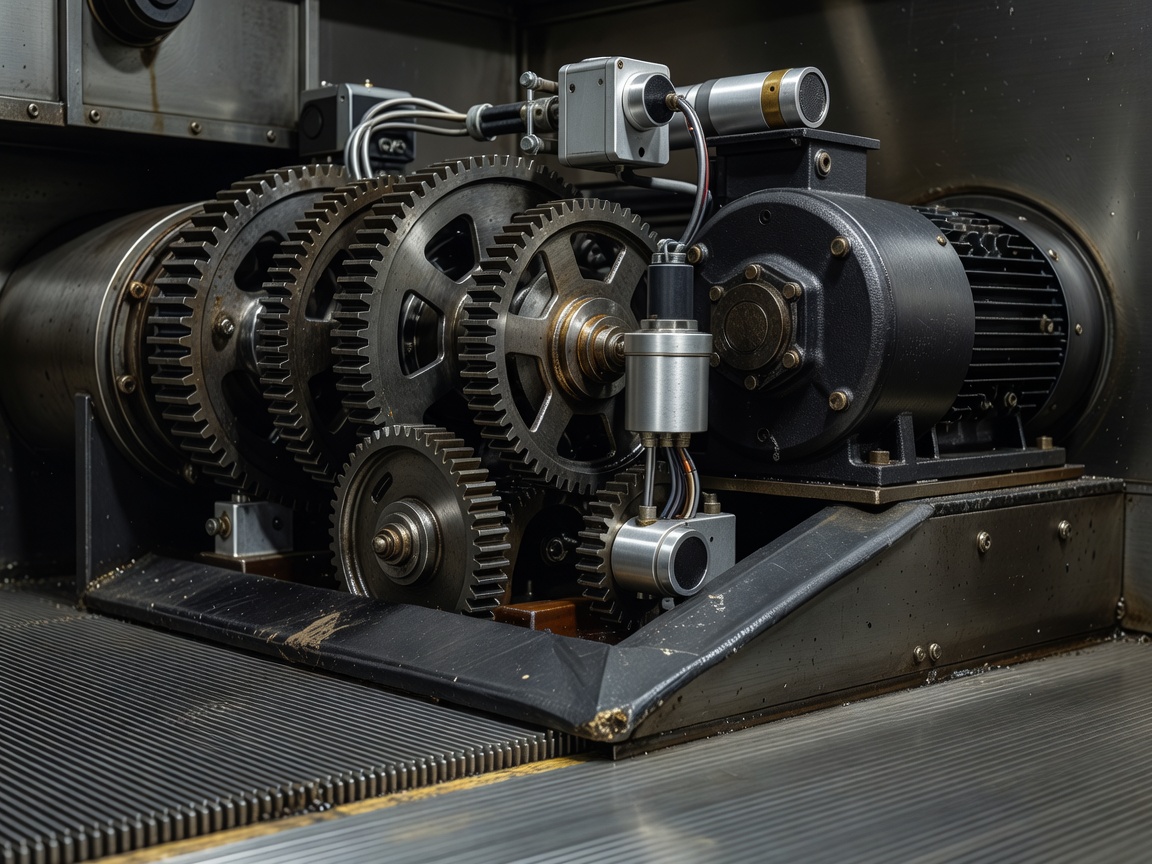
The core of modern walkway efficiency is the Variable Frequency Drive (VFD). Traditional direct-on-line motors operate at a single fixed speed, meaning they consume maximum energy at all times. A VFD, however, controls the motor's speed and torque by varying the frequency and voltage of the power supplied to it.
This allows the moving walkway to feature a "sleep mode." When no passengers are detected for a predetermined time, the VFD ramps down the motor speed—often reducing the walkway to a slow crawl (e.g., 0.2 m/s) rather than a complete stop. Operating at this reduced speed cuts power consumption by up to 60%, drastically extending the lifespan of internal mechanical components by reducing continuous wear.
Intelligent Sensor Integration
For a VFD to function safely and effectively, it relies on real-time data from environmental sensors.
- Radar Sensors: Typically mounted on vertical poles at the entry zone, radar sensors detect approaching passengers from several meters away. This allows the VFD enough time to smoothly ramp up the walkway to full operational speed (usually 0.5 to 0.75 m/s) before the passenger steps onto the pallets.
- Infrared Light Curtains: Positioned at the skirt panels near the entry comb plate, infrared sensors serve as a secondary detection system. If the radar fails or a passenger approaches from a blind angle, breaking the IR beam triggers an immediate ramp-up.
- Load Sensors: Modern auto-walks measure the torque required by the motor in real time. The system can calculate the exact passenger load and supply only the electrical power necessary to move that specific weight, eliminating wasted energy.
Regenerative Drive Systems
Though more common in escalators due to the assistance of gravity during downward travel, regenerative drives are increasingly deployed in inclined moving walkways. When an inclined walkway moves a heavy passenger load downwards, the motor acts as a generator. Instead of dispersing this kinetic energy as waste heat through braking resistors, regenerative systems capture the electrical energy and feed it back into the building's internal power grid, offsetting the facility's overall consumption.
LED Lighting and Auxiliary Power
It is not just the drive mechanics that have improved. Skirt lighting, comb plate illumination, and under-pallet lighting once relied on fluorescent tubes, which drew steady power and required frequent replacement. Modern walkways utilize low-wattage, high-lumen LED strips that can be synchronized with the VFD. When the walkway enters sleep mode, the LEDs can dim, saving further energy while still providing enough illumination for safety and aesthetics.